What is Bruxism?
Bruxism is a condition characterized by the grinding, clenching, or gnashing of teeth. It is typically categorized into two types:
- Sleep Bruxism: Occurs during sleep and is often associated with other sleep disorders, such as sleep apnea.
- Awake Bruxism: Happens during waking hours, often triggered by stress, anxiety, or concentration.
Causes of Bruxism
The exact cause of bruxism is not always clear, but several factors contribute to teeth grinding:
- Stress and Anxiety: Emotional distress is a leading trigger for bruxism.
- Sleep Disorders: Conditions like sleep apnea are closely linked to sleep bruxism.
- Malocclusion: Misaligned teeth can cause abnormal biting patterns, leading to grinding.
- Lifestyle Factors: Excessive caffeine or alcohol consumption can exacerbate bruxism.
- Medications: Certain antidepressants and stimulants may induce teeth grinding.
Signs and Symptoms
Bruxism can be challenging to detect, especially if it occurs during sleep. Common signs include:
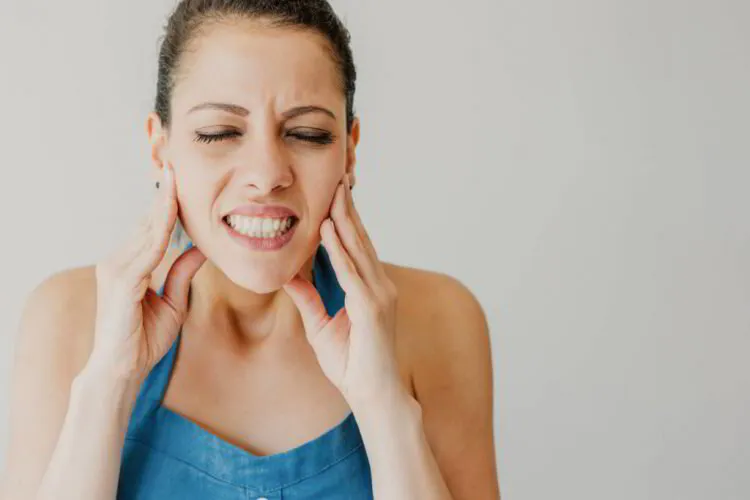
- Jaw pain or stiffness
- Headaches, especially upon waking up.
- Tooth sensitivity
- Chipped or cracked teeth
- Sleep disruption for both the patient and their partner
Health Risks Associated with Bruxism
If untreated, bruxism can lead to serious complications, such as:
- Dental Damage: Enamel erosion, fractures, and loss of teeth.
- Temporomandibular Joint (TMJ) Disorders: Chronic jaw pain and difficulty chewing.
- Sleep Disturbances: Poor sleep quality can negatively impact overall health.
- Gum Recession: Excessive grinding may contribute to gum recession over time.
Diagnosis and Treatment
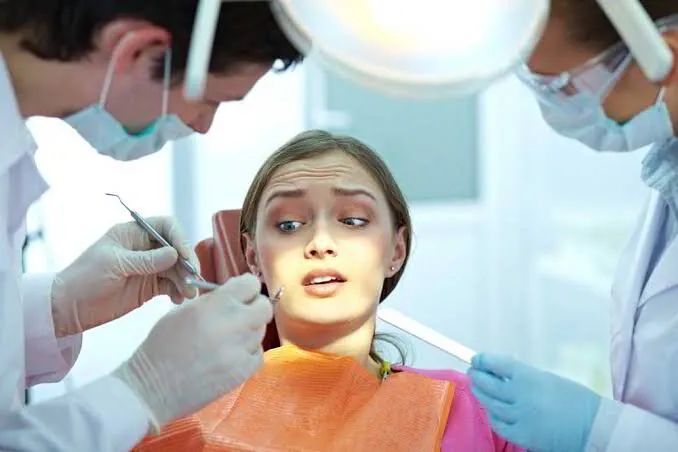
Diagnosing bruxism typically involves a comprehensive dental examination and a review of the patient's medical history. Dentists may also recommend sleep studies to evaluate sleep bruxism.
Treatment Options include:
- Mouth guards and Splints: Custom-fitted appliances protect teeth from grinding during sleep.
- Stress Management: Counseling, relaxation techniques, or physical therapy can reduce stress-related bruxism.
- Orthodontic Treatment: Addressing misaligned teeth or malocclusion to correct the bite can help.
- Lifestyle Changes: Reducing smoking, caffeine and alcohol intake, and practicing good sleep time routine.
- Medications: In severe cases, targeted treatments such as muscle relaxants, Botox injections, or customized medication adjustments can provide effective relief and management of bruxism symptoms.
Preventing Bruxism
Promoting awareness and encouraging preventive measures can make a significant difference:
- Regular Dental Checkups: Early detection can prevent severe damage.
- Stress Management Techniques: Yoga, meditation, and breathing exercises can help.
- Healthy Habits: Limiting stimulants and maintaining a balanced diet supports overall oral health.
Why Choose Us?
At Arvind's Advanced Dental Care we are dedicated to providing expert diagnosis and treatment for bruxism, ensuring optimal oral health and overall well-being. Our highly skilled team offers treatment solutions, including custom-fit mouth guards, effective stress management strategies, and state-of-the-art treatment options. Take the first step toward a healthier smile-schedule your consultation with us today.
Conclusion
Bruxism, though often overlooked, can lead to significant dental issues if untreated. By understanding its causes and symptoms such as tooth wear, jaw pain, and headaches patients can take proactive steps to protect their oral health. Dentists play a vital role in diagnosing and treating bruxism through options like
mouth guards, stress management, and dental corrections. Early intervention ensures long-term dental health and helps maintain a healthy, pain-free smile.