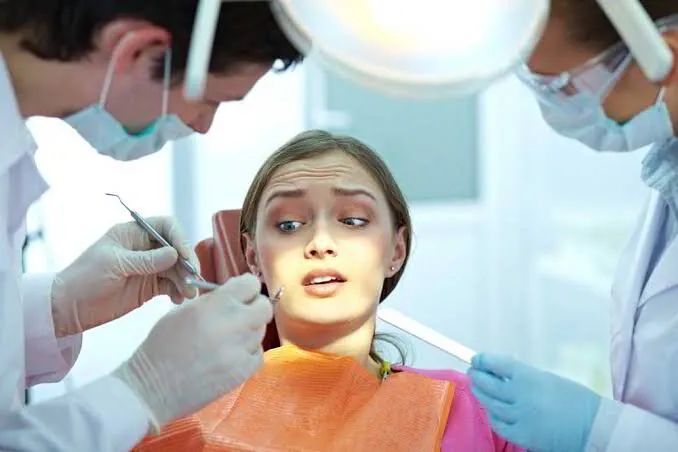
Dental emergencies can happen unexpectedly, causing pain and anxiety. Knowing how to handle these situations promptly can make a significant difference in saving teeth and relieving discomfort. In this blog we'll explore the most common dental emergencies, their causes, immediate relief tips, and crucial steps to take for treatment.
Common Dental Emergencies
1.Toothache
A sudden, intense toothache can indicate underlying issues like tooth decay, infection, or damage. Immediate attention is crucial to prevent further complications. Immediate Relief: Rinse your mouth with warm water, floss gently to remove any trapped debris, and apply a cold compress to reduce swelling. Take over-the-counter pain medication as directed.
2.Chipped or Broken Tooth
Accidents or biting on hard objects can result in a chipped or broken tooth. Save any broken pieces and see a dentist properly to assess the damage.
Immediate Reliet: Rinse your mouth with warm water, apply gauze to any bleeding areas, and use a cold compress on the outside of the mouth to reduce swelling and relieve pain.
3.Knocked-Out Tooth
When a tooth gets knocked out, quick action is vital. Rinse the tooth (avoid touching the root), place it back in the socket if possible, or store it in milk and seek immediate dental care.
Immediate Relief: Handle the tooth by the crown (not the root), rinse gently with water if dirty, and try to place it back in the socket. If not possible, store it in milk or a tooth preservation kit until you can see a dentist.
4.Lost Dental Filling or Crown
Losing a filling or crown can expose sensitive tooth tissue. Keep the area clean and visit a dentist to avoid further damage.
Immediate Relief: Use sugar-free gum to cover the exposed area temporarily. Avoid chewing on that side and see your dentist promptly.
5.Abscess or Dental Infection
A dental abscess is a serious infection that requires immediate attention to prevent spreading and alleviate pain.
Immediate Relief: Rinse your mouth with a mild saltwater solution to help draw out the infection. Use over the-counter pain relievers and apply a cold compress to reduce swelling. Seek emergency dental care as soon as possible.
Preventing Dental Emergencies
- Maintain regular dental check-ups and cleaning.
- Wear mouth guards during sports activities.
- Avoid chewing on hard objects or ice.
Conclusion
By understanding common dental emergencies, knowing immediate relief strategies, and taking prompt action, you can protect your oral health and potentially save a tooth in an emergency situation. Remember, quick action and professional dental care are essential for the best outcomes in dental emergencies.
Disclaimer:
The information provided in this blog post is for educational purposes only. It is not intended to replace professional dental advice, diagnosis, or treatment. Always seek the advice of your dentist or other qualified healthcare provider with any questions you may have regarding a dental condition or emergency