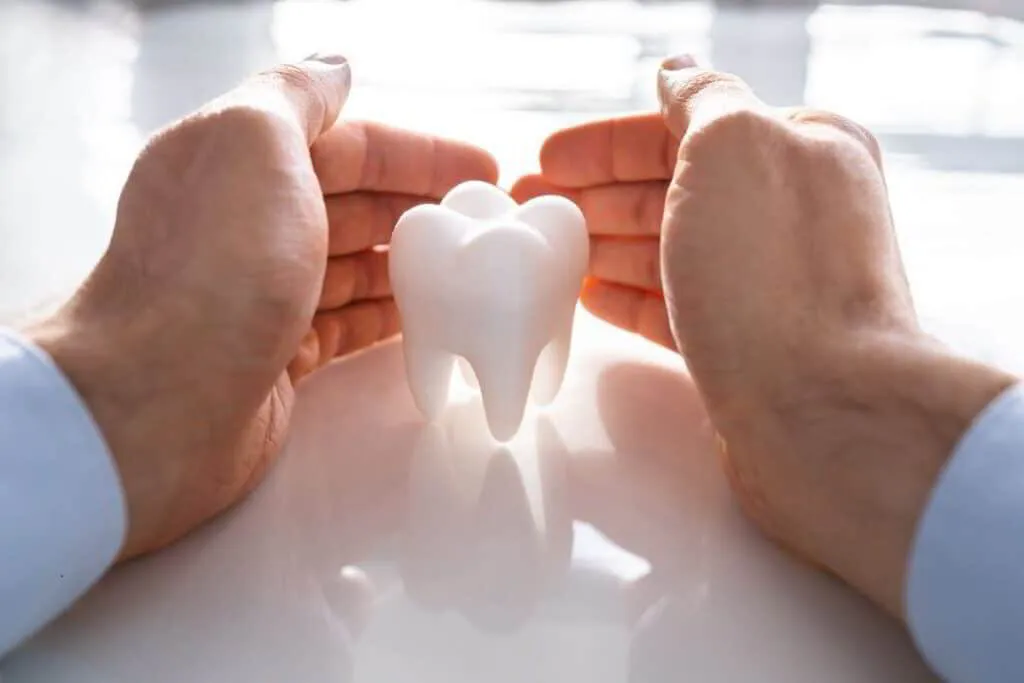
Biomimetic dentistry is rapidly transforming the landscape of dental care by using techniques and materials that mimic the natural structure and function of teeth. By focusing on biocompatibility and minimal intervention, this approach helps preserve the natural tooth while providing durable and aesthetic
restorations.
What is Biomimetic Dentistry?
Biomimetic dentistry is an advanced approach to dental restorations that emphasizes replicating the natural properties of teeth. The term "biomimetic" means "mimicking life," and in dentistry, it refers to the use of materials and techniques designed to restore teeth in a way that mirrors their natural strength, elasticity, and appearance. This innovative approach avoids the traditional methods of using amalgam or metal restorations that can weaken the tooth over time.
Why is Biomimetic Dentistry Important?
- Durability and Strength: Biomimetic materials like composite resins and ceramics bond directly to the tooth, making restorations more durable and resilient. These materials replicate the natural hardness and wear resistance of enamel, enhancing the longevity of the restoration.
- Minimally Invasive: Unlike conventional methods that often require significant tooth reduction, biomimetic dentistry focuses on conserving as much of the natural tooth structure as possible. This approach reduces the need for extensive drilling, making it a more conservative and less invasive option for patients.
- Aesthetic and Functional Restoration:The materials used in biomimetic dentistry, such as composite resins, are highly aesthetic and can be shaped to match the natural contours of a tooth. This ensures that the restoration looks and feels just like the original tooth, blending seamlessly with the rest of the smile.
- Healthier Teeth: By using techniques that enhance the strength of the tooth, biomimetic dentistry reduces the risk of fractures, decay, and sensitivity. Moreover, the materials used help to maintain the tooth's natural function, ensuring a healthier, more comfortable oral environment.
Core Principles of Biomimetic Dentistry
The core principle of biomimetic dentistry is to restore the tooth's natural structure while maintaining or improving its functionality. Key principles include:
- Adhesive Bonding: The use of adhesives that bond directly to the tooth structure ensures that restorative materials are securely attached, creating a tight seal that prevents further decay. This method enhances the structural integrity of the tooth.
- Layering Techniques. Biomimetic restorations are often built up in layers, mimicking the natural composition of a tooth, from the harder enamel on the surface to the softer dentin underneath. This multi-layered approach not only enhances the strength of the tooth but also improves its aesthetic appeal.
- Stress Distribution: One of the biggest challenges in traditional dental restorations is the way stress is transferred through the tooth. Biomimetic restorations are designed to distribute stress more evenly across the tooth, reducing the risk of fracture and promoting the longevity of the restoration.
Benefits of Biomimetic Dentistry
- Preservation of Natural Tooth Structure: Traditional fillings and crowns often require significant removal of healthy tooth material. In contrast, biomimetic procedures aim to preserve as much of the natural tooth as possible, minimizing the need for invasive procedures.
- Long-Term Durability: Materials used in biomimetic dentistry are designed to last long.. They are less prone to cracking and fracture compared to conventional fillings, ensuring long-term success.
- Reduced Sensitivity. One of the main benefits of biomimetic dentistry is the reduced risk of sensitivity. The materials used in biomimetic restorations better mimic the natural tooth structure, which minimizes the chances of pain or discomfort after the procedure.
- Improved Aesthetics: Biomimetic restorations can be color-matched to the natural teeth, making them virtually indistinguishable from the surrounding enamel. This ensures that restorations blend in seamlessly with your smile.
How Biomimetic Dentistry Works in Practice
Biomimetic dentistry can be applied in a range of restorative procedures, from fillings to crowns. Here's how it works:
-
Fillings. Instead of using metal amalgams, which can expand and contract with temperature changes, biomimetic fillings use resin-based composites that bond directly to the tooth. These materials behave similarly to natural tooth enamel, expanding and contracting in harmony with the natural tooth without
causing damage. -
Crowns: In cases where a tooth has been significantly damaged, biomimetic crowns made from high strength ceramics or composites can be placed. These crowns provide a strong, functional restoration that mimics the natural appearance of the tooth.
- Root Canal Restorations: Biomimetic principles are also used in restoring teeth after root canal therapy. Instead of using traditional post-and-core systems, which can weaken the tooth, biomimetic techniques focus on strengthening the tooth with materials that bond directly to the dentin.
The Future of Biomimetic Dentistry
As dental technology advances, the future of biomimetic dentistry looks promising. New materials are being developed that more closely mimic the natural properties of teeth, offering even greater durability and aesthetic results. Furthermore, as more practitioners embrace these techniques, patients can expect to see more conservative, minimally invasive options for restoring their teeth.
Conclusion
Biomimetic dentistry represents a major shift toward a more natural, conservative, and effective approach to dental restoration. By mimicking the strength, function, and aesthetics of natural teeth, this innovative practice allows for long-lasting, beautiful results that promote better oral health.
If you're considering dental restoration, speak with your dentist about whether biomimetic dentistry could be the right choice for you. Your smile deserves to be as natural and healthy as possible!